
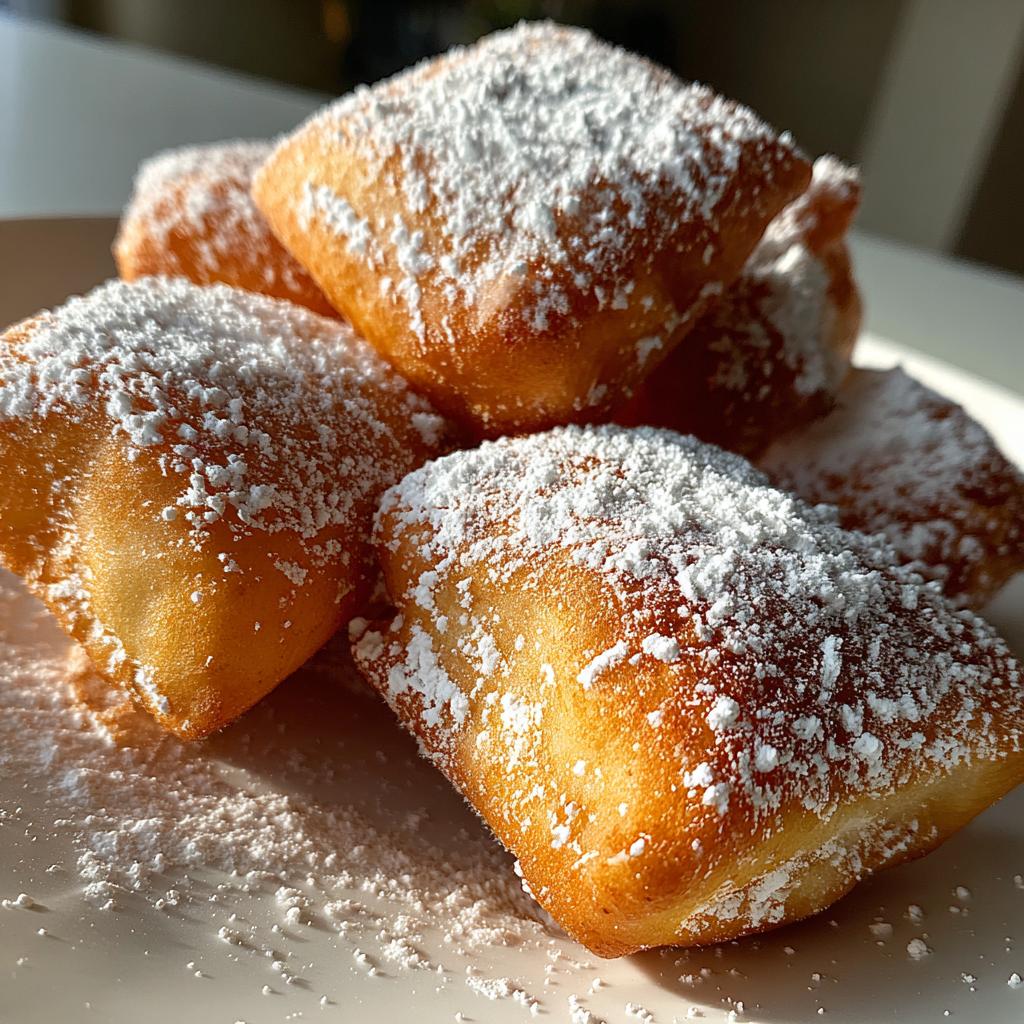
There’s nothing quite like biting into a warm, powdered sugar-dusted Buttermilk Beignets in the heart of New Orleans. I still remember my first time at Café du Monde—how that first bite of pillowy fried dough practically melted on my tongue, leaving my fingers sticky with sugar and my heart completely stolen. That moment changed my baking journey forever.
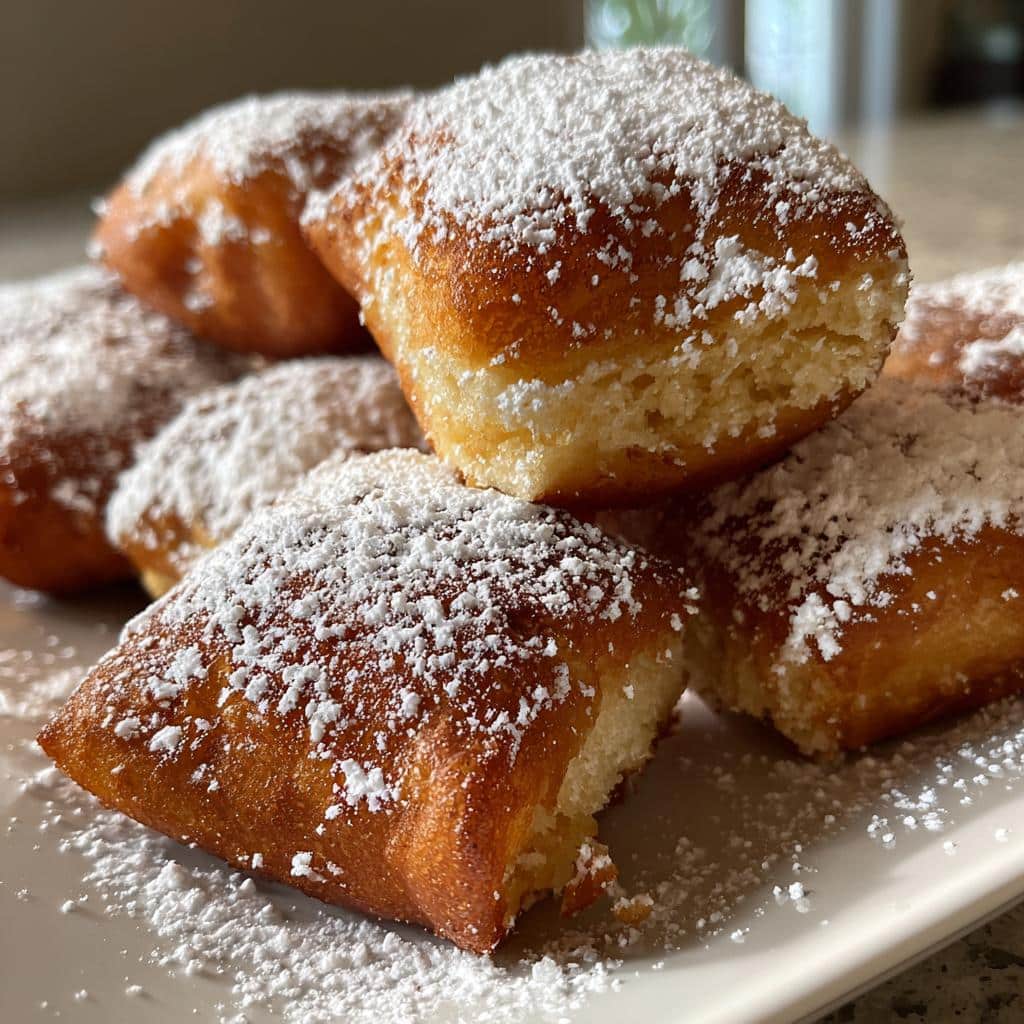
What makes these beignets so special? It’s that magical combination of crispy golden edges giving way to an airy, almost hollow interior—like little edible clouds. The secret lies in the buttermilk, which tenderizes the dough while adding just the right tang. I’ve spent years perfecting this recipe in my home kitchen, chasing that perfect balance of crisp and fluffy that you’d find in the French Quarter.
Now I’m sharing all my hard-won tricks so you can recreate that café magic at home. From getting the yeast just right to nailing the oil temperature, every detail matters. Trust me, once you pull a batch of these golden beauties from the fryer, you’ll understand why New Orleans wakes up early just to enjoy them fresh.
Table of Contents
Why You’ll Love These Buttermilk Beignets
Oh honey, these beignets aren’t just good—they’re ridiculously addictive. Here’s why they’ll become your new breakfast obsession (or midnight snack… no judgment here):
- That perfect crunch-to-fluff ratio: One bite gives you that satisfying crisp exterior followed by an airy, almost hollow center – just like the French Quarter originals!
- Buttermilk magic: My secret weapon gives the dough a subtle tang and keeps them tender for hours (not that they’ll last that long).
- Golden perfection: Fried at just the right temperature, they puff up like little pillows with that iconic bronzed crust.
- Instant happiness: Nothing beats watching powdered sugar snow down on freshly fried beignets. It’s pure joy in every messy bite.
Pro tip: Make a double batch. Trust me, you’ll want leftovers (but you won’t have any).
Ingredients for Perfect Buttermilk Beignets
Okay, let’s talk ingredients – because with beignets, every little detail matters! Here’s exactly what you’ll need to make magic happen:
- 2 1/4 teaspoons active dry yeast (check that expiration date – old yeast equals flat beignets!)
- 1 1/2 cups warm water (110°F) – use a thermometer, too hot kills yeast, too cold won’t wake it up
- 1/2 cup granulated sugar – the perfect amount to balance that buttermilk tang
- 1 teaspoon salt – just enough to bring out all the flavors
- 2 large eggs, beaten – room temperature is crucial for even mixing
- 1 cup buttermilk at room temperature – the star ingredient! Don’t substitute
- 7 cups bread flour (spooned and leveled) – measure right or your dough won’t puff properly
- 1/4 cup unsalted butter, melted – adds richness without weighing them down
- Vegetable oil for frying – peanut or canola work best for high heat
- Powdered sugar for dusting – and I mean generously dusting!
See that buttermilk note? Room temp is non-negotiable – cold buttermilk will shock your yeast and make your dough sluggish. And yes, bread flour really does make a difference with its higher protein content!
Print
Fluffy Buttermilk Beignets Recipe: 7 Secrets to New Orleans Perfection
- Total Time: 2 hours 35 minutes
- Yield: 24 beignets
- Diet: Vegetarian
Description
Fluffy, golden buttermilk beignets dusted with powdered sugar. A classic New Orleans treat.
Ingredients
- 2 1/4 teaspoons active dry yeast
- 1 1/2 cups warm water (110°F)
- 1/2 cup granulated sugar
- 1 teaspoon salt
- 2 eggs, beaten
- 1 cup buttermilk
- 7 cups bread flour
- 1/4 cup unsalted butter, melted
- Vegetable oil for frying
- Powdered sugar for dusting
Instructions
- Dissolve yeast in warm water with a pinch of sugar. Let sit 5 minutes until foamy.
- In a large bowl, mix sugar, salt, eggs, and buttermilk. Add yeast mixture.
- Gradually stir in flour until a sticky dough forms. Mix in melted butter.
- Knead dough on a floured surface for 5 minutes. Place in a greased bowl, cover, and let rise 2 hours.
- Roll dough to 1/4-inch thickness. Cut into 2-inch squares.
- Heat oil to 350°F in a deep pot. Fry beignets 2-3 minutes per side until golden.
- Drain on paper towels. Dust with powdered sugar before serving.
Notes
- Use a candy thermometer to monitor oil temperature.
- Dough can be refrigerated overnight after rising.
- Serve immediately for best texture.
- Prep Time: 2 hours 15 minutes
- Cook Time: 20 minutes
- Category: Dessert
- Method: Deep frying
- Cuisine: French-American
The Right Tools Make All the Difference
Listen, you could wing it with random kitchen gear… but to make beignets like a true New Orleans pro, you’ll want these trusty tools:
- A heavy pot or deep fryer – I swear by my cast iron Dutch oven for even heat
- Candy thermometer – 350°F oil isn’t a suggestion, it’s the law for perfect browning
- Rolling pin – to get that ideal 1/4-inch thickness (no guessing!)
- Pizza cutter – makes quick work of cutting perfect squares
- Slotted spoon or spider strainer – for safely flipping those golden puffs
Bonus points for a powdered sugar shaker – because you can never have too much snowy sweetness!
There’s nothing quite like biting into a warm, sugar-dusted beignet—crispy on the outside, fluffy on the inside, and bursting with that classic New Orleans magic. If you love breakfast recipes that feel indulgent yet simple to make, you should also try these Cottage Cheese Pancakes—they’re light, protein-packed, and just as comforting in their own way.
How to Make Buttermilk Beignets
Alright, let’s get those hands messy! Making beignets is equal parts science and love – follow these steps closely, and you’ll be rewarded with fried perfection.
Preparing the Dough
First, wake up that yeast properly – this is your foundation. Combine the warm water (test it on your wrist like baby’s bottle – just warm, not hot!) with yeast and a pinch of sugar. Let it sit until foamy, about 5 minutes. No foam? Your yeast is dead, darling – start over.
In your biggest bowl, whisk together sugar, salt, eggs, and buttermilk. Pour in that bubbly yeast mixture. Now here comes the flour – add it gradually, stirring with a wooden spoon until a shaggy dough forms. The dough will be sticky – that’s good! Resist the urge to add extra flour. Mix in the melted butter until fully incorporated.
Turn it out onto a floured surface and knead for 5 minutes – you want it smooth and elastic. Place in a greased bowl, cover with a damp towel, and let rise in a warm spot for 2 hours. It should double in size – patience is key here!
Frying the Buttermilk Beignets
Now for the fun part! Heat 3 inches of oil in your heavy pot to 350°F – no guessing, use that thermometer! While the oil heats, roll your dough to 1/4-inch thickness on a floured surface. Cut into 2-inch squares – don’t worry about perfection, rustic is charming.
Carefully slide a few squares into the hot oil (don’t crowd them!). They’ll puff up immediately – watch the magic happen! After about 2 minutes, flip them with your slotted spoon. They should be golden brown on the first side. Fry another 1-2 minutes until equally golden. Listen for that happy sizzle – music to a baker’s ears!
Finishing Touches
Drain the beignets on paper towels – but don’t wait too long for the next step! While still warm, shower them with powdered sugar. I mean really go for it – you want that snowy mountain effect. Serve immediately with café au lait and watch the smiles appear. That first bite of crispy, pillowy goodness? Pure New Orleans magic in your own kitchen!
Expert Tips for the Best Buttermilk Beignets
Listen up, sugar – these are my hard-earned secrets for beignet perfection. First, always test your yeast before starting. If it doesn’t foam after 5 minutes in warm water, toss it – dead yeast means flat beignets. Second, keep that oil steady at 350°F – I hover with my thermometer like a helicopter parent because even 25 degrees off changes everything. Too cold? Greasy. Too hot? Burnt outside, raw inside.
Here’s my golden rule: serve them immediately. Beignets are divas – they’re only perfect for about 10 minutes after frying. And don’t skimp on the powdered sugar – that snowy blanket isn’t just pretty, it’s part of the flavor magic. One last thing: resist over-flouring your dough. A sticky dough makes the lightest beignets – trust the process!
Twists on the Classic Buttermilk Beignets
While I adore the traditional powdered sugar version, sometimes I can’t resist playing with flavors! Try swapping half the powdered sugar for cinnamon sugar – the warm spice plays beautifully with the buttermilk tang. For a bright twist, mix lemon zest into the dough and top with a lemony glaze. Feeling fancy? Dip them in chocolate ganache like French-style donuts. My wildest creation? Stuffed with peanut butter and banana – trust me, it’s insane!
Just remember: whatever you add, keep the dough light and the oil hot. That perfect puff is sacred!
Serving Buttermilk Beignets
Now comes the best part – devouring these golden beauties! In true New Orleans style, pile them high on a plate while they’re still warm, then shower them with powdered sugar until they look like little snow-capped mountains. I always serve mine with steaming café au lait – that bitter coffee cuts through the sweetness perfectly. For breakfast, add fresh berries on the side to pretend you’re being healthy. (We both know you’re not – and that’s okay!)
Storing and Reheating Buttermilk Beignets
Okay, real talk – these are best eaten fresh, but if you absolutely must save some (I don’t judge!), here’s how to do it right. First, never refrigerate – that just makes them soggy and sad. Instead, let cooled beignets sit at room temp, then give them a quick 5-minute stint in a 350°F oven to bring back their crispy magic. They won’t be quite as perfect as fresh, but still dangerously delicious!
Nutritional Information for Buttermilk Beignets
Let’s be real – nobody eats beignets for their health benefits! But since you asked, here’s the scoop: Each fluffy square runs about 210 calories, with most coming from those delicious carbs (32g per beignet). The buttermilk and eggs add a bit of protein (5g), while that golden fry gives you 7g fat. Remember – these are estimates based on my specific ingredients. Your exact counts might vary depending on how much powdered sugar you “accidentally” dump on top!
For even more Southern-inspired treats and trending recipe ideas, don’t forget to follow us on Pinterest, where we share daily inspiration for breakfasts, desserts, and everything in between!
FAQs About Buttermilk Beignets
I know you’ve got questions – I certainly did when I first started making these! Here are the answers to everything that kept me up at night:
Can I freeze the dough?
Absolutely! After the first rise, punch it down, wrap tightly in plastic, and freeze for up to 3 months. Thaw overnight in the fridge, then proceed with rolling and frying. The texture might be slightly denser, but still delicious.
What oil is best for frying beignets?
I swear by peanut oil for its high smoke point and neutral flavor, but canola or vegetable oil work great too. Never use olive oil – it can’t handle the heat and will make your beignets taste… interesting (and not in a good way).
Why aren’t my beignets puffing up?
Usually means your oil wasn’t hot enough (that thermometer is your best friend!) or you overworked the dough. Also, check your yeast expiration date – old yeast equals flat beignets.
Can I make the dough ahead?
You bet! After the first rise, the dough can chill in the fridge overnight. It actually develops more flavor. Just bring it to room temp before rolling.
How do I keep powdered sugar from melting in?
Dust them right before serving – the residual heat helps it stick. For extra staying power, do a light dusting right after frying, then another right before serving. Sugar shower!